
Choosing a PPC company in Dallas comes down to four things: current Google Partner certification, provable results in a market like yours, transparent reporting with full account ownership, and a realistic strategy built around your actual goals. Get those four right and paid search becomes one of the most measurable growth channels you run. Miss them and you end up funding an agency’s learning curve with your own budget. In the paid media programs we run for established businesses, the difference between a strong partner and a costly one usually shows up in the first sales conversation, long before a single ad goes live.
Paid search costs more than it did even a year ago. The average Google Ads cost per click climbed to $5.42 in 2025, up from $4.66 the year before, according to WordStream’s 2025 benchmark data. The average cost per lead now sits near $70.11. At those prices, the person managing your account has a direct line to your profit margin. Dallas adds pressure of its own, because a metro built on finance, real estate, professional services, and fast-growing retail means fierce competition for the high-intent keywords that actually drive revenue.
What a Great PPC Company in Dallas Actually Does
Good paid search management is a discipline of constant testing and subtraction. A capable partner writes and rotates ad copy, structures campaigns around buyer intent, builds negative keyword lists, tightens geographic targeting to the neighborhoods and suburbs that matter, and ties every click back to a conversion you care about. This work overlaps with search engine marketing and healthy Google Ads and PPC lead generation, so the strongest agencies treat paid search as one part of a wider growth system rather than an isolated line item. Here are the four things worth checking before you sign anything.
1. Current Google Partner Status and Certified Strategists
A Google Partner badge is a baseline signal, and it is easy to verify. To hold Partner status, an agency must maintain at least $10,000 in ad spend across its managed accounts over any 90-day window, keep an optimization score of 70% or higher, and have at least half of its account strategists hold a current Google Ads certification. Premier Partner status is stricter still, reserved for the top 3% of participating companies in a country each year. Ask for the badge, then confirm the certifications are current rather than expired.
- Confirm the agency name in Google’s public Partner directory, beyond the logo on their site.
- Ask which certifications the strategist on your account personally holds.
- Treat Premier Partner status as a strong signal, since it reflects both spend volume and performance.
- Remember that certification sets a floor and says little about how the team will perform for you.
2. Provable Results in a Market Like Yours
Experience is only useful when it maps to your situation. An agency that has spent years scaling ecommerce campaigns is not automatically ready to generate high-value leads for a Dallas law firm or a commercial real estate group. Ask for case studies that match your industry, your budget range, and your goal, then look past vanity metrics. Click-through rate feels good, but revenue signals like cost per lead, return on ad spend, and lead quality are what pay the bills. For context, the average Google Ads conversion rate reached about 7.52% in 2025, and 65% of industries saw conversion rates improve that year, so a competent partner should be able to explain where your account sits against those benchmarks and why.
Be specific in what you ask to see. Request the account structure behind a result, the timeframe it took, and the spend it required. A partner who is proud of their work will walk you through a real account and explain the decisions that moved the numbers. One who deflects with awards and testimonials alone is telling you something. It also helps to ask what happened when a campaign underperformed, because how a team recovers from a bad month reveals far more than a highlight reel of wins ever will.
3. Transparent Reporting and Full Account Ownership
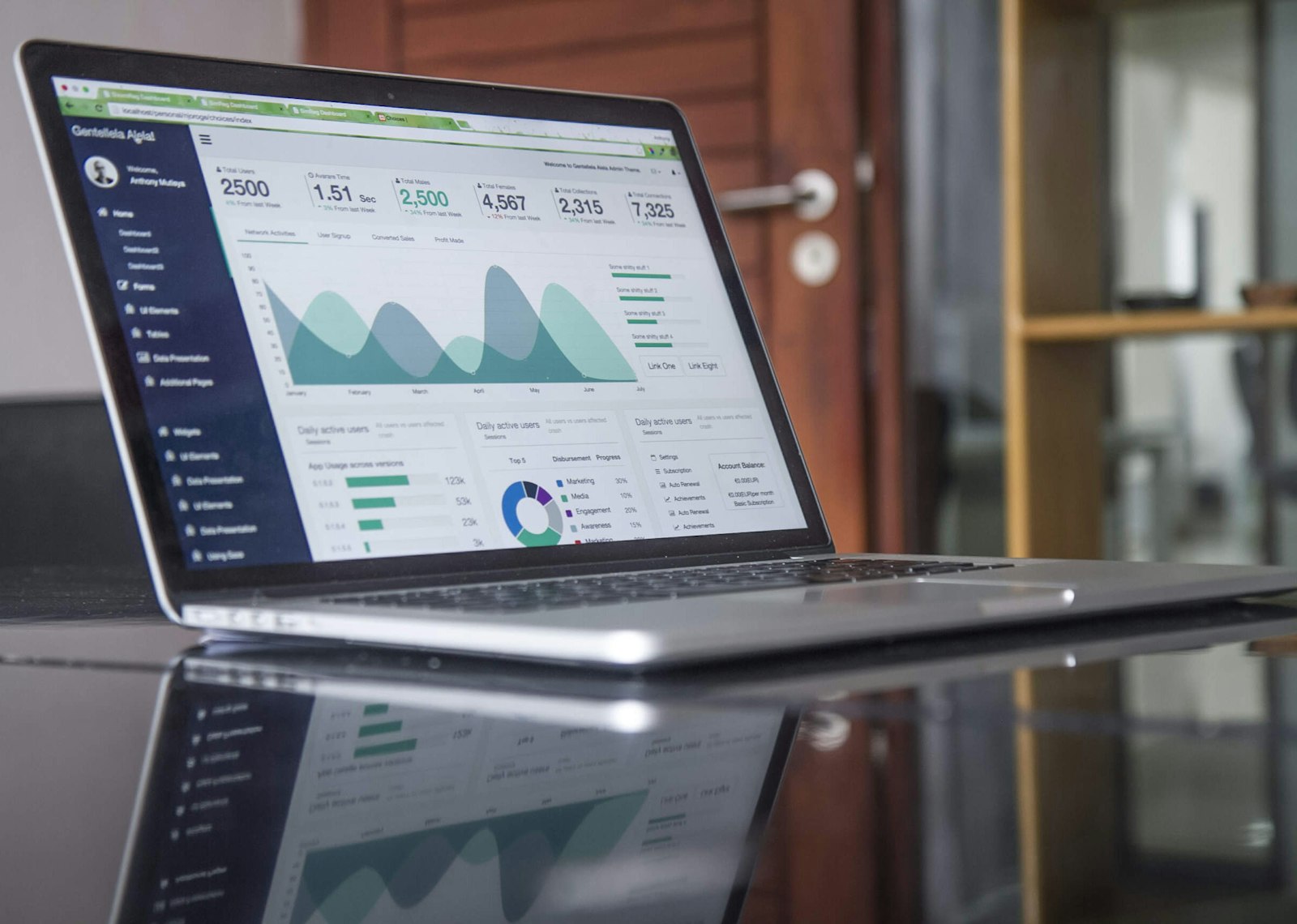
This is where a lot of Dallas businesses get burned. Some agencies build campaigns inside their own Google Ads account, so when the relationship ends, you lose the history, the data, and sometimes the account itself. Insist on owning your account from day one and granting the agency access, rather than the other way around. Then ask how reporting works. You want a live dashboard, a named point of contact, and monthly reviews that connect spend to pipeline instead of a PDF full of numbers that flatter the agency.
- You own the Google Ads account and the billing, and the agency works inside it.
- You get dashboard access you can open any day rather than only at month end.
- Reports tie ad spend to leads, sales, and cost per acquisition in plain language.
- You keep every campaign, keyword, and conversion history if you ever leave.
The best question a Dallas business can ask an agency is simple. Who owns the account, and can I log in whenever I want? If the answer is anything other than you and yes, keep looking. Ownership and visibility are where trust in paid media begins.
Olivia Grant, Head of Paid Media, Media @ Marsons
4. A Realistic Strategy Tied to Your Goals
The fastest way to spot a weak partner is to listen for promises. Nobody can guarantee a position on the search results page or a fixed return, and anyone who claims otherwise is either inexperienced or hoping you will not check. Wasted spend is the real enemy. Research from WordStream suggests small businesses lose roughly 25% of their PPC budget to strategic and management errors, much of it from broad keywords and thin negative lists. A strong Dallas partner comes to the table with a plan for avoiding exactly that.
- They ask for your target cost per lead, your service areas, and your ideal customer before quoting anything.
- They map a testing plan for ad copy, landing pages, and bidding, with clear checkpoints.
- They build negative keyword lists early, since disciplined lists can cut wasted spend by up to 30%.
- They set expectations for a learning period, usually the first 90 days, before judging performance.
Landing pages deserve the same scrutiny as the ads. Paid traffic sent to a slow or unfocused page burns budget no matter how sharp the targeting is, which is why strong campaigns pair paid media with well-built landing pages and a clear lead generation path.
Red Flags to Watch For
A short conversation surfaces most problems. Watch for these warning signs before you commit.
- Guarantees of specific rankings, returns, or lead volumes.
- Reluctance to let you own your Google Ads account.
- Reporting that highlights clicks and impressions while dodging cost per lead.
- Long lock-in contracts with no clear exit terms.
- No questions about your business, margins, or customers before pitching a package.
Dallas has no shortage of agencies willing to spend your money. The four checks above, along with a healthy list of red flags, will help you find the rare partner who treats your budget like their own. Take your shortlist through the same questions, compare the answers, and trust the team that is clearest about ownership, results, and the work ahead.
Frequently Asked Questions
How much does a PPC company in Dallas cost?
Management fees usually run separately from your ad spend. At the premium end of the market, ongoing management typically starts from around $2,000 per month, with the ad budget on top and priced to your goals. Be wary of very low fees, since thin management is often where that wasted 25% of budget comes from. Ask exactly what the fee covers, from keyword research and ad creation to conversion tracking and reporting.
How long before PPC campaigns deliver results?
You will often see early data within the first few weeks, but meaningful optimization takes time. Most experienced managers treat the first 90 days as a learning period while they gather conversion data, prune wasted spend, and refine targeting. Judge a partner on the trend across that window and on how clearly they explain what they are changing and why.
Does a PPC company really need to be based in Dallas?
Local knowledge helps with geo-targeting, seasonal demand, and understanding the competitive set across the metro, so a Dallas presence is a genuine plus. Results matter more than a zip code, though. A certified, transparent agency that understands your industry will serve you better than a local shop that cannot show provable outcomes.
Want a paid search partner that clears all four checks?
Media @ Marsons runs paid media for established businesses that expect ownership, transparency, and measurable growth. Book a discovery call and we will review your goals and current setup, with no pressure.